Pesticides may increase risk of endometriosis

Pesticides may increase the risk of endometriosis research study warns. Study findings warn about the environmental effects on the health of women of reproductive age.

Research conducted at the Fred Hutchinson Cancer Research Center revealed that two organochlorine pesticides are linked to endometriosis in women of reproductive age. Researchers collected data from two study groups: a group of 248 women diagnosed with endometriosis, and a second control group of 538 healthy women. All women were of reproductive age among 18 and 40 year old.

The study found that women who were exposed at greater level at such pesticides (beta-hexachlorocyclohexane, mirex) were 30-70% more likely to suffer from endometriosis. These results, suggesting that pesticides may increase risk of endometriosis, were published in Environmental Health Perspectives, a journal of the National Institute of Environmental Health Sciences.

pesticides endometriosis

Environmental chemicals used in the past could impact the reproductive health of future generations

The PhD scientist who led the study, Victoria Holt, originally thought of investigating pesticides effects on female reproductive health as it has been previously shown that organochlorine pesticides can have estrogenic properties, mimicking the effects of estrogens (reproductive hormones). It is also known that endometriosis is an estrogen dependent disease so it would make sense if such chemicals negatively affect the female reproductive system is some way.

Endometriosis is the pathogenic condition where the womb tissue lining grows outside of the womb and attaches to other organs. It is a painful, chronic condition and because of that thousands of women visit fertility clinics for treatments.

Nowadays, it is estimated that the number of women diagnosed with the disease has greatly increased since 1940 with millions of women over the globe affected, making them struggle with infertility problems as well.

Since endometriosis is the effect of hormonal imbalances it is quite possible that pesticides do exactly that. In animal studies, organochlorine pesticides have been found to alter the uterus and ovaries function as well as causing hormonal imbalances.

According to lead author of the study, Kristen Upson, the surprising fact about the results is that these pesticides were detected in the blood of the women, increasing the risk of endometriosis, while being banned in the U.S. “the message here is that environmental chemicals used in the past could  impact the reproductive health of future generations” she commented.

Are you aware of ways to avoid pesticides in your diet and protect your fertility?


Hey! If you found this post interesting or useful, you can help us get even better by subscribing to our newsletter. Just write your email and you’ll have the latest news regarding fertility issues. Thank you once more for your help.

The top 10 superfoods that help you conceive

10 superfoods

Balanced diet, rich in nutrients, vitamins and minerals, is directly linked to fertility.

If you have decided it is time to build a family, make sure you enrich your diet with the following superfoods that can help you conceive.

The good news for all of you who are trying to get pregnant is that a balanced diet, rich in nutrients, vitamins and minerals, is directly linked to fertility.

So here is a list of our top 10 superfoods that will boost your chances to conceive.

  • Bananas: B6 vitamin in bananas can increase fertility as it is connected to hormonal regulation in women. B6 deficiency can lead to irregular periods and poor egg and sperm quality as well.
  • Asparagus: the folic acid contained in asparagus helps with reducing chances of an ovulation disorder; this is why women trying to conceive are advised to take folic acid supplements.
  • Shell fish: vitamin B12 can be found in large amounts in shell fish and it may improve endometrial thickness, decreasing miscarriage incidents.
  • Eggs: eggs are rich in nutrients, among them vitamin D. A study by Yale researchers reported that among 67 women suffering infertility, the 93% had inadequate vitamin D levels.
  • Almonds: vitamin E contained in almonds improves sperm quality and it is believed that vitamin E deficiency is linked to fertility problems. Moreover, almonds’ antioxidant properties protect sperm and egg DNA from damages.
  • Citrus fruits: citrus fruits are also rich in vitamin D, which apart from its relation to female fertility it has been shown that it may improve sperm concentration and motility.
  • Tofu: tofu is an excellent iron source, which in inadequate levels can inhibit ovulation and decrease egg quality, leading to 60% lower chances of achieving pregnancy compared to women with normal iron levels.
  • Salmon: salmon contains selenium, a mineral related to antioxidants production, which has been shown to play a protective role for the egg and sperm against free radicals. It is also necessary for the creation of sperm.
  • Peas: increased levels of zinc, found in large amounts in peas, have been found to improve sperm quality and function. In women, lack of zinc may lead to estrogen and progesterone levels imbalance.
  • Mackerel: it contains the essential fatty acids, like DHA, that contribute to a healthy female reproductive system. DHA has also been associated with enhanced sperm quality.

How many of these superfoods are already included in your diet?


Hey! If you found this post interesting or useful, you can help us get even better by subscribing to our newsletter. Just write your email and you’ll have the latest news regarding fertility issues. Thank you once more for your help.

Χημικές ουσίες σε έπιπλα και στρώματα γυμναστικής θα μπορούσαν να καταστήσουν τις γυναίκες υπογόνιμες.

Χημικές ουσίες σε έπιπλα και στρώματα γυμναστικήςΧαμηλότερα ποσοστά επιτυχίας στην εξωσωματική γονιμοποίηση – IVF έχουν συνδεθεί με τα επιβραδυντικά φλόγας που απαντώνται συνήθως στα οικιακά αντικείμενα.

Τα ευρήματα αυτά προέρχονται από μελέτη που δημοσιεύτηκε ώστε να βρεθεί η σχέση μεταξύ επιβραδυντικών φλόγας οργανοφωσφορικών (PFRs) και αναπαραγωγικών αποτελεσμάτων στις γυναίκες.

Τα PFR θεωρούνται ασφαλέστερη εναλλακτική λύση έναντι των επιβραδυντικών φλόγας, τα οποία έχουν συνδεθεί με αρνητικές επιπτώσεις στην υγεία και την επιδημιολογία και μπορούν να βρεθούν σε έπιπλα, στρώματα γυμναστικής και οικιακά προϊόντα. Ωστόσο, μελέτες δείχνουν ότι μπορούν να διαδοθούν στον αέρα και μέσω της σκόνης των εσωτερικών χώρων να διαταράξουν την ανάπτυξη ορμονών και εμβρύων.

Intralipid infusion therapy: boosting IVF success rates

Intralipid infusion therapy is now used by many IVF specialists as a treatment for boosting IVF success rates, reducing the risk of miscarriage.

Nowadays, in vitro fertilisation (IVF) appears to be the most popular among fertility treatments. That is mainly due to its effectiveness and its relative simplicity as a medical procedure that couples can follow without changing much of their daily routine.

Intralipid infusion therapy

Intralipid infusion therapy is thought to protect the cell membranes

However, there are some couples who do not seem able to achieve pregnancy and deliver a healthy baby even though they have tried IVF several times. There might be several reasons underlying such IVF failures, including the age of the female and/or male partner, inherited genetic diseases, womb structure abnormalities, hormonal irregularities and, as seen quite often these past few years, immune system malfunction.

The latter, is based on the fact that a woman’s uterus might be hostile to receiving embryos transferred during the last step of the IVF treatment. There is evidence indicating that some cells of the immune system called natural killer cells (NK) could attack to the embryos recognizing them as foreign, causing them to fail implantation.

A quite promising therapy, called intralipid infusion therapy, could compromise the natural killer cells activity. In 2011, Dr George Ndukwe of the Care fertility clinic conducted a trial of the therapy on 50 women who have had several IVF failures. Approximately 50% of treated women got pregnant compared to 9% of women who got pregnant without receiving the intralipid infusion therapy. However, according to experts, a larger scale study is needed for confirming these data.

Intralipid infusion therapy is based on a blend of soya oil, egg yolk and glycerine and is thought to protect the cell membranes from the natural cell killers’ attacks. It is usually provided in tandem with IVF or IUI rather than as an alternative. It is a relatively low cost therapy, with no side effects that could increase success rates for women who have experienced implantation failures or early miscarriage/s.

Have you tried intralipid infusion therapy, or consider trying it in tandem with your IVF treatment?


Hey! If you found this post interesting or useful, you can help us get even better by subscribing to our newsletter. Just write your email and you’ll have the latest news regarding fertility issues. Thank you once more for your help.

Could endometrial scratching boost IVF success rates?

Could endometrial scratching boost IVF success rates? A simple scratch is capable of significantly increase, and even double, pregnancy chances through IVF, doctors believe.

Even though IVF is an assisted reproduction technique with the highest success rates among other fertility treatment, sadly, repeated IVF failures are not uncommon. In some cases failed IVF treatments could be due to some defect of the endometrium.  More specifically, sometimes, even if a woman’s fertilized eggs are of optimum quality, the receptivity of the uterine lining (endometrium) might not be as great. It is estimated that in approximately 25-30% of IVF failures the cause relates to poor endometrial receptivity.

endometrial scratching

Endometrial scratching involves a mechanical injury to make small scratches on the endometrium.

In such cases, fertility experts can now turn to an innovative technique called endometrial scratching. Briefly, the technique involves a mechanical endometrial injury using an instrument to make small scratches on the endometrium. According to experts local injury could activate the endometrium regeneration process increasing the endometrial receptivity for the implanted embryo and as a consequence boosting success rates. Moreover, scientists believe that it might be easier for embryos to nestle in the furrows made following the endometrial scratching or injury. However, the exact mechanism underlying the method has not yet been experimentally determined.

Research findings support the efficiency of the method for women experiencing recurrent IVF failures. According to a review study published in ‘’Reproductive Medicine Online’’ this technique increased success rates by 70% for a study population of about 2000 women with recurrent implantation failures.

Results from the latest study conducted at Ankara University and published in “Fertility and Sterility journal”, are equally encouraging. For the study, researchers collected data from 114 women aged <40 who had experienced at least 2 IVF failures. Women who had endometrial scratching along with the standard IVF treatment had their success rates almost doubled. More specifically 38% of them got pregnant following IVF compared with 20% of women who did not have the endometrial scratching. These results were presented at the conference of the American Society for Reproductive Medicine in Honolulu.

Would you ask for an endometrial scratching before entering

your next IVF cycle? 


Hey! If you found this post interesting or useful, you can help us get even better by subscribing to our newsletter. Just write your email and you’ll have the latest news regarding fertility issues. Thank you once more for your help.

Chemicals threaten male fertility?

Research findings suggest that common chemicals threaten male fertility by affecting sperm quality. Chemicals commonly found in toothpaste, soaps and sunscreens could affect the sperm cells behavior, scientists warn.

chemicals and infertilityFor the first time a study presents evidence of a link between chemicals contained in household products and sperm abnormalities. Researchers report that the chemicals found in abundance in most of every day products may be partly responsible for the steadily increasing male fertility issues in the west world.

For the study German and Danish researchers examined approximately 100 chemicals of everyday use, revealing that about 1/3 of them affected sperm function. The study, as published in EMBO Journal and carried out with Timo Strünker of the Centre of Advanced European Studies and Research in Bonn, Germany, reported that some of those male fertility threatening chemicals are contained in sunscreens. Triclosan, a chemical with antimicrobial properties found is some soaps and toothpastes, is also included in the list of harmful chemicals in terms of male fertility.

In vitro experiments showed that chemicals at levels normally men are exposed to affect the sperm motility. Thus, chemicals do threaten male fertility. According to researchers these chemicals act by disrupting the endocrine system and  for that reason are commonly referred as ‘’endocrine-disrupting’’ chemicals. They could be found anywhere: food, fabrics, medicine, household and personal care products, plastic bottles and even children’s toys.

The innovation of the study is that, thanks to a novel method developed, scientists were able to test hundreds of chemicals for their impact on sperm function in short time. Endocrine-disrupting factors seemed to affect sperm function by impacting their motility as well as their sensitivity to progesterone, prostaglandins and the enzyme released by them. These enzymes are necessary for sperm to penetrate the egg, so these chemicals impact the sperm’s fertilizing ability.

The European commission is currently examining the possibility of revising its policy concerning the Endocrine-disrupting chemicals as this study provided well documented evidence that may suggest changes to international rules and practices.

Would you consider replacing commercial products to natural ones for reducing the chemicals impact on your fertility?


Hey! If you found this post interesting or useful, you can help us get even better by subscribing to our newsletter. Just write your email and you’ll have the latest news regarding fertility issues. Thank you once more for your help.

Endometriosis as a cause of infertility

Endometriosis is a common pathogenic condition of women that, in the past, it has been associated with infertility. But is endometriosis a cause of infertility? Quite often women diagnosed with infertility happen to be diagnosed endometriosis with as well. Scientists ponder however whether there is indeed a link between the disease and infertility or endometriosis is a coincidental discovery made during the examination for infertility.

woman-endometriosis

Endometriosis is a painful, chronic condition.

Endometriosis is the pathogenic condition where the womb tissue lining grows outside of the womb and attaches to other organs. It is a painful, chronic condition and because of that thousands of women visit fertility clinics for treatments. Nowadays, it is estimated that the number of women diagnosed with the disease has greatly increased since 1940 with millions of women affected worldwide. A higher prevalence of the disease is found among women with infertility.

But, endometriosis, is it a cause of infertility itself? According to a new study, the answer tends to be negative. As the main author of the study, Stacey Missmer – director of Epidemiologic Research in Reproductive Medicine at Brigham and Women’s hospital, reported most of women diagnosed with endometriosis do not have fertility problems and they are able to achieve pregnancy. She added however that women with the disease have increased chances for suffering from infertility compared to healthy women.

For the study, published in Human Reproduction, the researchers analyzed data from 58,427 women in order to establish the association of endometriosis with infertility incidents. One of the study findings was that only women aged <35 with endometriosis are at a greater risk of infertility.

Surprisingly, it was found that previous estimates of infertility incidents in women with endometriosis were overestimated in terms of numbers probably due to studies’ artifacts. More specifically, researchers reported that the infertility risk linked to endometriosis is approximately 50% lower compared to other studies’ results.

The major need now for fertility specialists is to further investigate this relationship between the disease and infertility and to become able to identify the specific group of women with endometriosis who are in greater risk for infertility in order to be treated properly and in time.

If you’re facing infertility,have you been tested for endometriosis?


Hey! If you found this post interesting or useful, you can help us get even better by subscribing to our newsletter. Just write your email and you’ll have the latest news regarding fertility issues. Thank you once more for your help.

Do Women treated with donor eggs pass on DNA?

Do women treated with donor eggs pass on DNA to their babies? According to new research the answer is positive.

It has been previously shown by a study conducted at theepigenetics and donor eggs University of Southampton that the environment in which an embryo grows, that is the womb environment, can affect the embryo’s development. According to experts that event is related to epigenetics. More specifically the embryo’s genes’ activity may be turned up or down in response to specific genetic factors present in the womb fluid of the woman.

But how is this related to infertile women treated with donor eggs? Well it was previously thought that the embryo produced by a fertilized donor egg would share characteristics of the father and the egg donor, not the woman in whom it was implanted. However, according to a recent study conducted at IVI Valencia, a Spanish fertility clinic and Stanford University, genetic material of the pregnant woman was detected into the womb fluid. Laboratory findings confirmed that these fragments of genetic material in the womb are actually absorbed by the embryo.

Researchers studied 20 women, reporting the presence of DNA and its influence on how the embryo develops. This could mean a lot for many women getting pregnant through IVF treated with donor eggs, as they can feel they actually contribute to their baby’s development. It is uplifting to know that their babies could actually get something from them even if it is not their eggs.

These findings may be the first step in elucidating the complex mechanisms underlying the womb environment effects on the development of the embryo. Scientists consider the data provided by this study as an amazing discovery, encouraging infertile women who used egg donation as an IVF treatment by revealing that their baby will eventually have some of their genetic material.

The study, published in the medical journal Development, was led by Dr Vilella and Dr Simon who commented that there are still a lot of things to discover regarding the effects of the mother’s genetic material and how it confers with the baby.

What do you think of this piece of information?

Would you consider it as an optimistic approach of Egg Donation treatment?


Hey! If you found this post interesting or useful, you can help us get even better by subscribing to our newsletter. Just write your email and you’ll have the latest news regarding fertility issues. Thank you once more for your help.

ERA test (Endometrial Receptivity Analysis) improves IVF implantation rates

A novel IVF test, called ERA test (Endometrial Receptivity Analysis) , that assesses the activity of genes of the womb lining seems to improve successful implantation rates according to fertility experts.

Quite often you may hear patients undergoing IVF (In Vitro Fertilisation) treatment wondering what is the reason of their failed IVF attempt: ‘’my embryos are of good quality, I am healthy, yet I did not get pregnant. Why?’’. A successful IVF outcome basically depends on two major factors: the embryo quality and the environment inside the womb that will host the embryo.

ERA test - Endometrial Receptivity Analysis

ERA test is used for designating the personalized ‘’implantation window’’

So what could be wrong for women with good, genetically healthy embryos? Endometrial receptivity, fertility experts believe. The endometrium is capable of hosting an embryo only during a time specific point of a woman’s cycle, completing a successful implantation. This time period is called ‘’implantation window’’.

It was previously thought that this ‘’implantation window’’ is stable among 19th-21st day of a woman’s cycle. Recent research however reveals that for about 25% of women with good quality embryos and IVF failures the implantation window has just been transposed in time without any apparent medical cause.

Thus, with ERA test this troubling event can be overcome as it is used for designating the personalized ‘’implantation window’’ for each woman, something that no other diagnostic test could tell before. According to a pilot study, ERA test findings from 85 women who had experienced at least 5 IVF attempts failed at the implantation stage, suggest that 20-25% of embryo transfers happen sooner or later than the optimum time for successful implantation. In the past the only study available for assessing endometrial receptivity was an ultrasound scan.

Researchers of the study reported that 33% of women given the test had a successful implantation. That is significantly higher than would typically be observed for this patient population. These data suggest that ERA test can improve successful implantation and promote a positive IVF outcome by pinpointing a woman’s optimum time for embryo transfer based on the individual results obtained.

Have you been given an ERA testing prior your IVF treatment, or would you ask for it for your next IVF attempt?


Hey! If you found this post interesting or useful, you can help us get even better by subscribing to our newsletter. Just write your email and you’ll have the latest news regarding fertility issues. Thank you once more for your help.

Cinnamon: a fertile spice

Did you know that cinnamon apart from sweet and tasty is also a ‘’fertile’’ spice? It is pretty much known that cinnamon has many health benefits but now new research suggests that its properties make cinnamon a great ally for infertility problems.

cinnamon

If you are suffering from PCOS it might worth to give cinnamon a chance.

One of the most common causes of infertility in women is PCOS (polycystic ovary syndrome). It affects approximately 5-10% of women of reproductive age and it can cause ovary cysts, acne, body and facial hair overgrowth, obesity, severe menstrual irregularities and as a consequence infertility.

Quite often, women with PCOS are found to have elevated insulin levels causing them insulin resistance and therefore are more likely to develop diabetes. However, elevated insulin levels do not only increase blood sugar levels but they can also differentiate reproductive hormones’ levels, crucial for ovulation and menstrual cycle.

Many women with PCOS who struggle to get pregnant once they have their insulin levels regulated, they do see an improvement of their fertility. According to a research from the University of Columbia, it appears that daily cinnamon consumption can aid in menstrual cycle regulation for women with PCOS.

45 women with PCOS took part in the study and they were split in two groups. Half of them received natural cinnamon supplements twice a day while the other half received a placebo tablet with no cinnamon. After six months, women who consumed cinnamon daily had over 4 menstrual cycles more in average compared to the placebo group. Furthermore, 2 women of the cinnamon group achieved pregnancy during the actual study adding to the belief that cinnamon may work as a fertility booster.

So, if you are suffering from PCOS it might worth to give cinnamon a chance. Even though during this small clinical trial the optimal cinnamon dose was not investigated, it was only shown that it works, you could advise your doctor on the matter and the possibility to add a daily dose of the spice to your nutrition. For the study women consumed 1500 mg of cinnamon per day so this amount might be enough for improving your fertility as well.

So far, it is not known whether more women, other than those diagnosed with PCOS, could benefit from cinnamon in terms of fertility but there is surely no harm in trying it!

So, how about spicing up your life a bit with a dash of cinnamon?


Hey! If you found this post interesting or useful, you can help us get even better by subscribing to our newsletter. Just write your email and you’ll have the latest news regarding fertility issues. Thank you once more for your help.

Squeezable IVF embryos

Is squishiness of IVF embryos indicative of their viability? In other words, are squeezable embryos the most viable among others? This is the question that a research team from Stanford University has addressed.

Squeezable IVF embryos

Is squishiness of IVF embryos indicative of their viability?

The idea for this study objective originated from an anecdotal tip from the director of Stanford’s IVF lab, Barry Behr, that some oocytes are squishier than others. Holding to that, researchers decided to investigate whether this event was somehow associated with the embryos’ potential to develop normally.

Scientists of Stanford University (comprised of both bioengineers and physicians) carried out their first experiments working with mice. The results have been published in nature communications. They fertilized mouse eggs and measured their rigidity after one hour. The researchers found that measuring rigidity could actually predict the fertilized eggs’ viability more accurately and at an earlier stage of development compared to conventional embryo screening methods.

Current methods for embryo selection are based on invasive and non-invasive procedures with different pros and cons that could affect the embryo transfer into the uterus. Non invasive techniques, like time lapse microscopy, analyse embryo morphology after culturing them in stable conditions for up to 6 days, choosing the best, viable embryos, in terms of morphology and cell dividing rate for increasing chances of successful implantation.

Invasive techniques use a few embryo cells at the stage of blastocyst, offering a preimplantation genetic diagnosis that could increase implantation rates by choosing embryos with less genome abnormalities. However, invasive techniques are always a matter of debate concerning the implications and safety of embryonic manipulation.

But, invasive or non-invasive, current methods are not as accurate as needed for fertility experts to feel confident on their embryo selection, pushing them into transferring multiple embryos with the hope that at least one of them will lead to live birth.

Scientists continued their research with fertilized human oocytes, concluding the same as with mice. More specifically, they reported that the rigidity assessment has 90% accuracy in predicting an embryo’s likelihood to reach a healthy blastocyst stage. They are looking forward to test viability in patients, proving the methods clinical potential in selecting the best embryos; lowering the risk of multiple gestation and the high cost of current methods.

 Could you ever believe that a single squeeze could tell this much?


Hey! If you found this post interesting or useful, you can help us get even better by subscribing to our newsletter. Just write your email and you’ll have the latest news regarding fertility issues. Thank you once more for your help.

Common chemical may be linked to male infertility

Men’s exposure to common chemical, DEHP (a so-called phthalate), may be linked to male infertility, new study suggests.

Approximately 15% of couples are infertile. That means they can’t conceive even if they have unprotected intercourse on regular base for a year or longer. For about half of those couples, the inability to conceive is related to male factor infertility. Moreover, scientists warn that male fertility is fainting and men are estimated to have their sperm fertilizing potential reduced by 2% each year. Practically, that means that it is not only the sperm concentration that is reduced but their motility as well.

But what is to blame for such a sperm quality decrease? Fertility doctors argue that the cause is more acquired than genetic. Exposure to chemicals commonly found in products of everyday use, like plastic, is a major acquired cause of male infertility.

chemical DEHP infertility

DEHP may be linked to male infertility

Researchers from Lund University studied metabolite levels of the phthalate DEHP, a chemical that leaks out from plastics, in urine and the sperm quality of 314 men aged 18-20 from the general Swedish population. The reason the study population comprised of men from the general population rather than from men attending infertility IVF clinics, diagnosed with infertility, often dispose poor sperm quality that is caused by several different factors.

They found that men with higher exposure to this phthalate chemical had their sperm progressive motility decreased. More specifically, sperm progressive motility was lower by 11 percentage points for the group with the highest exposure to DEHP than in the group of men with the lowest exposure. Additionally, men in the group with the highest DEHP exposure had 27% higher HDS (high DNA stainability) a marker of sperm immaturity. Thus, the researchers concluded that exposure to the common phthalate chemical may be linked to male infertility, as it was negatively associated with sperm motility and maturation.

So, plastic use is not recommended for young men of reproductive age who wish to protect their fertility while materials like wood, metal and glass would make some hormonally healthier alternatives.

Is this enough reason to avoid plastic products?


Hey! If you found this post interesting or useful, you can help us get even better by subscribing to our newsletter. Just write your email and you’ll have the latest news regarding fertility issues. Thank you once more for your help.

Egg freezing. The new Era

Would you freeze your eggs? New study supports that in fact many women would go for it. But why would they do it? And the correct answer is: Egg freezing for social reasons.

Nowadays, there is a clear trend over older motherhood as young women are aware of the implications of having children and want to make sure that there will be optimal conditions before they start a family. These conditions include financial stability provided by a successful career, an ideal partner as well as emotional readiness.

Egg FreezingIt appears that the majority of women support egg freezing technique as an option for preserving fertility and postponing motherhood for all the above reasons. In fact, researchers reported that women were more concerned with their biological clock than their careers.

A new study conducted by Dr Camille Lallemant and her team, based on an anonymous online survey, surveyed 973 women (mean age 31 years old) from the UK and Denmark regarding egg freezing. According to the survey results, most women were aware of this ART (assisted reproductive technology) technique and about 89% of them are in favor of using the technique for preserving fertility for when they are ready in terms of appropriateness of domestic and social conditions. However egg freezing for medical reasons, for example prior a chemotherapy treatment, was acceptable by almost everyone.

Interestingly, 19% of the survey participants declared that they would consider receiving the egg freezing treatment and another 27% said they are interested in this ART technique.

Up to now there was no evidence on women’s perception on the potential to preserve their fertility through ART. According to Dr Lllemant, perhaps the fact that the advancements of the method have dramatically improve its success rates, like egg vitrification,  has come to convince them of its value.

The study was conducted at the Princess Anne Hospital’s Complete Fertility Centre in Southampton, Hampshire and its findings were presented at the annual meeting of the European society of Human Reproduction and Embryology in Munich.

So, would you freeze your eggs as an option for fertility planning?


Hey! If you found this post interesting or useful, you can help us get even better by subscribing to our newsletter. Just write your email and you’ll have the latest news regarding fertility issues. Thank you once more for your help.
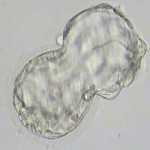
Time-lapse embryo imaging may increase IVF success

Time-lapse embryo imaging in IVF labs may increase IVF success rates, according to British research, by selecting embryos with the highest implantation potential.

But what is time-lapsing imaging and what is the innovation of it that outbalances other methods for embryo selection?

Time-lapse embryo imaging

Time-lapse embryo imaging may increase IVF success rates up to 56%

Time-lapse embryo imaging refers to constant recording of embryos developing in the stable environment of an incubator up to the point of embryo transfer.  The embryo is monitored and surveyed in IVF clinics constantly under a temperature – controlled environment without removing it from it.

The innovation of the method lies in time-lapse photography, where a camera is set in the incubator, where the embryos are placed to grow, to record a number of images at regular intervals. With this method IVF specialists can be given the information needed for selecting the best quality embryos in terms of morphology and cell dividing rate for increasing chances of successful implantation. And the key point of the method is that this is possible to happen all the way through the embryos’ development, without them leaving the incubator until they are implanted in contrast to conventional methods; allowing roughly 5,000 embryo images to be taken.

According to the researchers in Reproductive BioMedicine Online journal, from Care fertility group, preliminary data concerning the methods efficiency are quite encouraging. The researchers in this study used the information provided from time-lapse embryo imaging to classify the embryos as high, medium or low chance of aneuploidy (chromosomal abnormalities). Such DNA abnormalities can increase the risk of failed implantation reducing pregnancy chances.

Researchers reported that time-lapse embryo imaging may increase IVF success rates up to 56%. In further detail, they found that from a total of 88 embryos imaged and implanted there was no live birth from the high risk group compared to 5 (19% success rate) and 11 babies (61% success rate) born from the medium and low risk groups respectively.

Some scientists argue that the small number of couples participated in this study is not enough for making the method a routine clinical tool. However, the concept of it along with preliminary data provided definitely make it a strong candidate for replacing previous standard IVF methods for embryo selection, where embryos have to be removed from the incubator once a day to be checked under a microscope, which is likely to negatively affect their healthy development.

Would you ask for time-lapse imaging to increase your

pregnancy chances through IVF?


Hey! If you found this post interesting or useful, you can help us get even better by subscribing to our newsletter. Just write your email and you’ll have the latest news regarding fertility issues. Thank you once more for your help.

Are bald men less fertile?

Are bald men less fertile? Well they are not as fertile as you may think: men who have lost their hair by the age of 30 have fewer spermatozoa, study reveals.

Even though a common a belief is that baldness is a sign of fertility in men, a new study reveals that men who lose their hair at young age, close to their 30s, might actually be less fertile.

It was estimated that the semen volume was approximately 60% less in men with moderate to more severe hair loss while researchers suggest that hormonal changes related to hair loss may affect the quality of the sperm.

Are bald men less fertile?

The so-called androgenetic alopecia (AGA) is the most common cause of hair loss in men

The so-called androgenetic alopecia (AGA) is the most common cause of hair loss in men and women while scientists argue that premature AGA could be considered equivalent to Polycystic Ovary Syndrome (PCOS) in women. Androgenetic alopecia often turns to baldness and normally it affects about 50% of male population over the age of 50. However in some cases the symptoms could start at the end of adolescence.

In this current study, published in Dermatologica Silica, fertility experts and dermatologists in a collaborative effort, investigated potential links between hair loss, sperm quality and fertility. The doctors collected semen and conducted a series of tests in 203 young men (mean age 31 years old).

Men who participated in the study were classified into 2 groups: normal-mild AGA and moderate-severe AGA in order to investigate the difference in semen quality among the 2 groups.

They found that men with moderate to severe hair loss had their sperm quality in terms concentration, motility and morphology significantly decreased compared to other group, pinpointing bald men as less fertile.

The trend of considering bald men to have increased sexuality is based on the fact they have higher testosterone levels which could possible lead to a more intense sexuality. On the other hand, high testosterone levels is the exact of premature hair loss.

Yet, new research findings indicate that men with low testosterone levels may also lose their hair at a young age and that male baldness is more likely to be caused by a complex combination of both genetic and hormonal factors.

So, what do you think is baldness unattractive?


Hey! If you found this post interesting or useful, you can help us get even better by subscribing to our newsletter. Just write your email and you’ll have the latest news regarding fertility issues. Thank you once more for your help.